Start with what's bothering you — each concern below explains the approach and links to the relevant treatment information.
Each concern below explains what is happening and which treatment approaches address it.

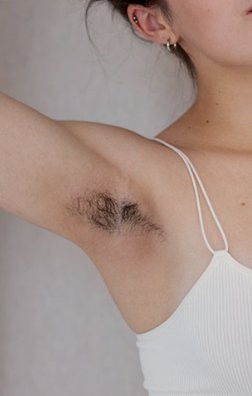
Hair growth across the body that the client would prefer not to have. Laser hair removal uses light energy absorbed by the pigment in the hair follicle, acting at the root rather than removing surface hair.
Browse all laser areas →
Hair that curls back or grows sideways into the skin instead of emerging through the surface. Common where regular shaving or waxing disrupts hair direction — bikini line, underarms, men’s necks. Laser addresses the follicle itself rather than the surface.
Laser for ingrown hairs →
Unwanted facial hair on the upper lip, chin, sideburns or jawline. Often hormonal in origin and very common. The Candela platform’s dual wavelengths allow appropriate settings across all Fitzpatrick skin types.
Facial laser treatments →
Body hair on back, chest, shoulders or neck — areas common in male-pattern hair growth. The same Candela platform with parameters adjusted for coarser hair and larger surface areas.
Laser for men →
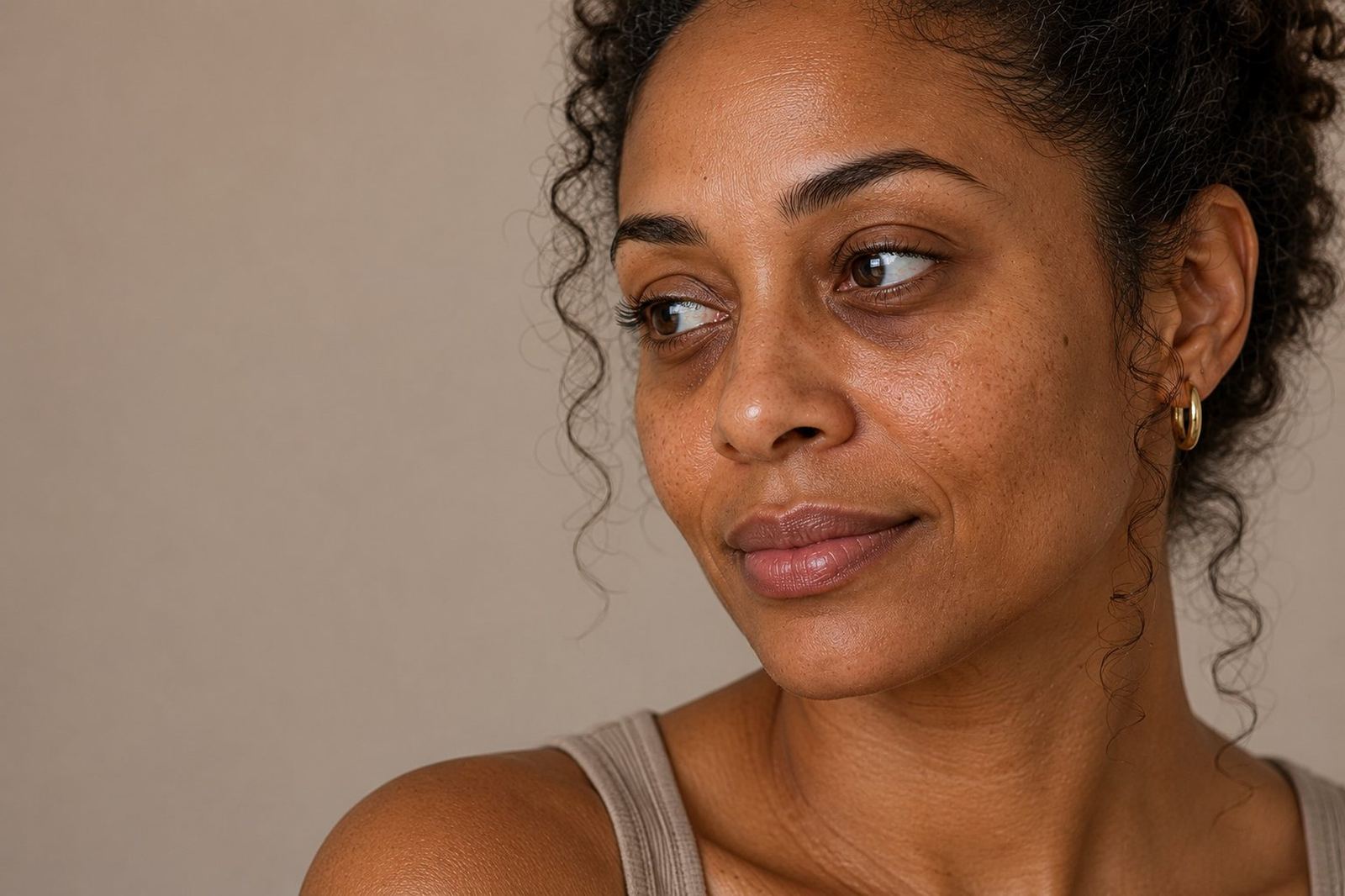
Brown patches that accumulate from years of ultraviolet exposure — most visible on face, hands and decolletage. The pigment that gives these spots their colour (melanin) absorbs specific laser wavelengths, which is how it can be treated selectively.
Laser pigmentation →
Visible blood vessels on the cheeks or nose, cherry angiomas, or persistent rosacea redness. The Nd:YAG wavelength is absorbed by haemoglobin inside the vessel, allowing the vessel itself to be acted on without disturbing the surrounding skin.
Laser vascular →
Loss of radiance, texture changes and surface dryness — typically a sign that cellular turnover and collagen production have slowed. Non-ablative laser energy delivers controlled heat beneath the surface, triggering the skin’s natural collagen response.
Laser rejuvenation →
Fine lines, loss of firmness and texture changes that develop as collagen and elastin production slow over time. Different treatment approaches act at different depths — microneedling reaches the dermis, peels address the surface, LED works at the cellular level.
Anti-ageing treatments →
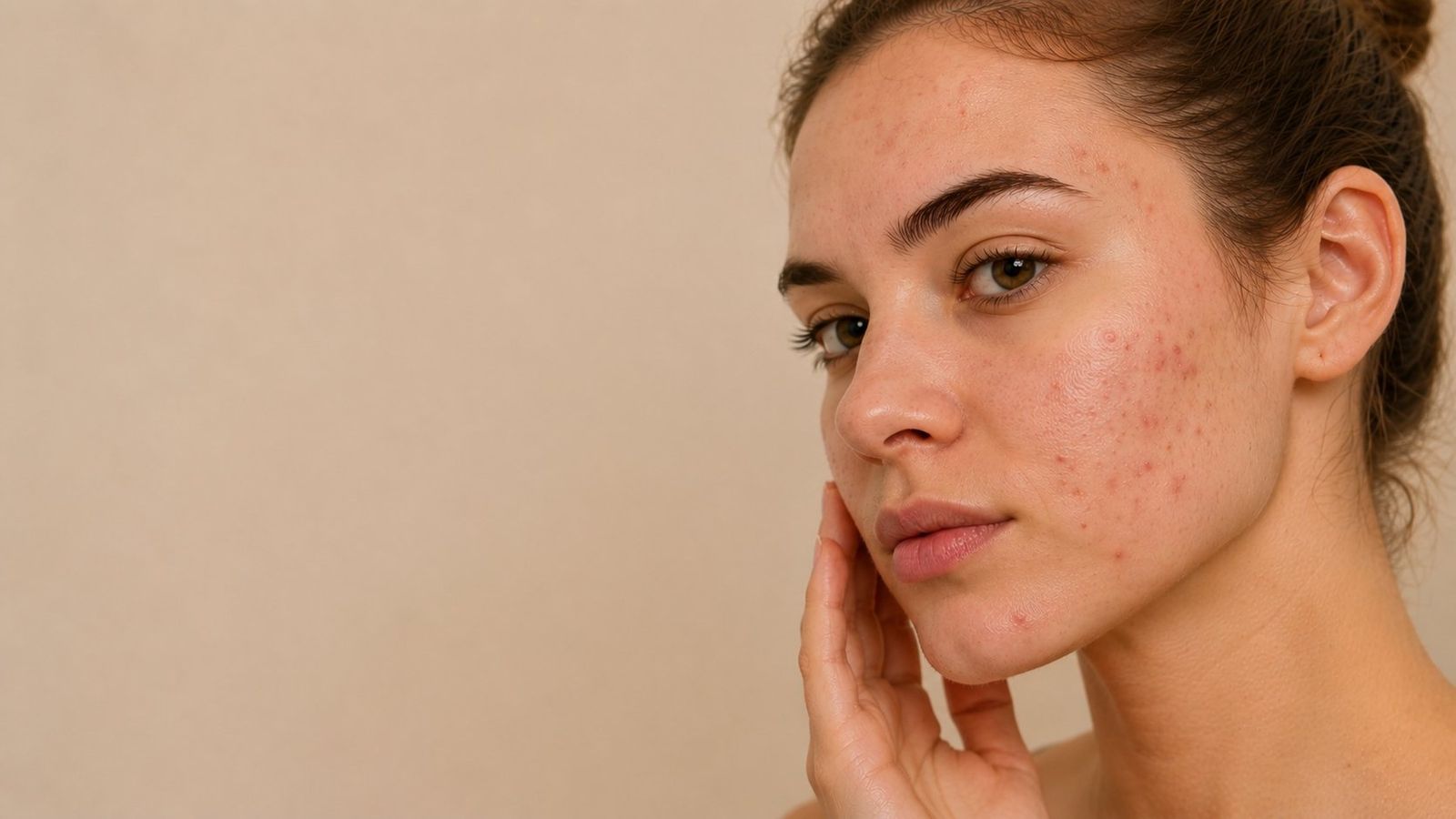
Pigmentation left behind after acne, trauma or sun exposure, or a generally uneven complexion. Different pigmentation types sit at different depths in the skin and respond to different approaches — chemical, mechanical, and light-based each have a role.
Skin treatments →Some concerns overlap categories — pigmentation that is both sun damage and hormonal, or ageing skin with active breakouts. In those cases the next useful step is a face-to-face look at your skin so the right approach can be chosen.